
Grounds for Contesting a Will
The legal grounds on which a will can be challenged, and the evidence that matters.
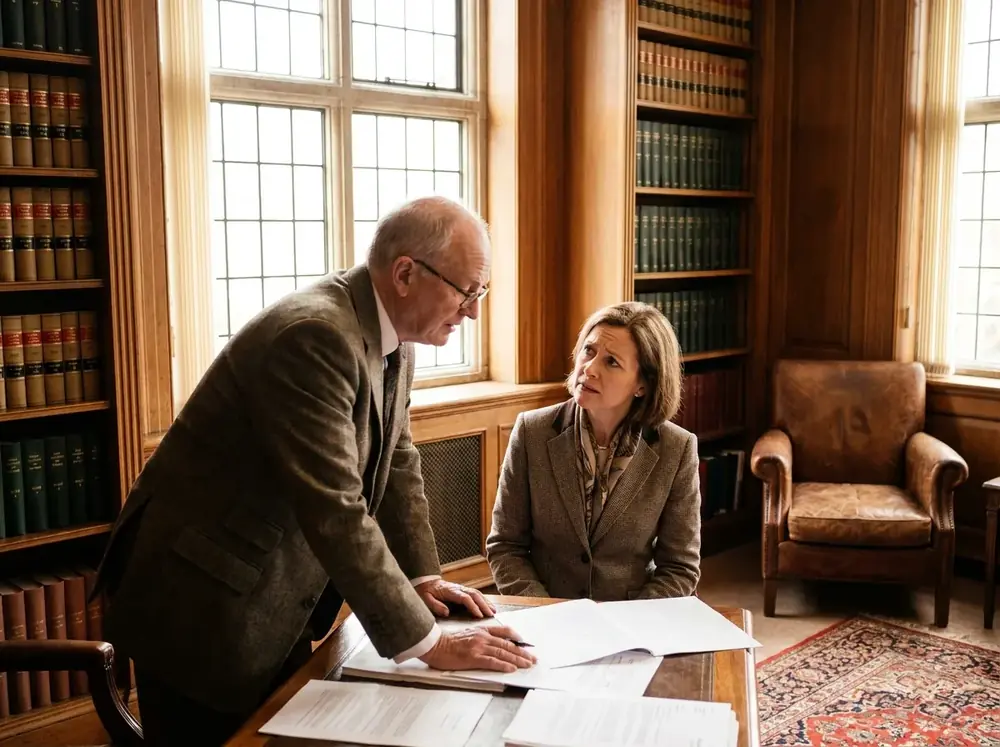
A will can be challenged only on specific legal grounds, for example where it was not validly made or does not reflect the true wishes of the person who died. Understanding these grounds helps you judge whether a claim is worth pursuing or defending.
We assess the strength of your position, explain the options available and advise on the practical next steps.
Key Legal Grounds
- Lack of Mental Capacity: The testator did not understand the nature and effect of the will when it was made.
- Undue Influence or Coercion: The testator was pressured to make or change the will.
- Fraud or Forgery: The will, or a signature within it, is false or has been tampered with.
- Lack of Knowledge and Approval: The testator did not know and approve the contents of the will.
- Improper Execution: The will was not signed and witnessed in line with legal formalities.
- Rectification or Construction: Errors in drafting or unclear wording require the court to correct or interpret the will.
- Inheritance Act 1975 Claims: Reasonable financial provision has not been made for a spouse, civil partner, cohabitant, child or other dependant. This is a claim for provision from the estate rather than a challenge to the validity of the will.
Evidence That Can Help
Strong evidence is vital. Useful material often includes medical records around the time the will was made, solicitor file notes, witness statements from those present, and previous versions of the will. Financial records and correspondence may also support or rebut claims of pressure or fraud.

From our specialistWe assess the evidence before advising you to bring or defend a challenge, and we tell you plainly how strong your position is before you spend money on it.”
Request a quote
Time Limits
- Inheritance Act claims: Within six months of the grant of representation (probate or letters of administration). The court can allow a later claim, but only with its permission.
- Rectification: Six months from the grant, although the court can allow late applications.
- Challenges to validity: Generally no fixed time limit, but delay can harm a case, particularly once the estate has been distributed.
Ask us to confirm the correct deadline for your situation.
Costs and Risk
Costs depend on complexity and on how quickly a dispute can be resolved. Many cases settle at an early stage through negotiation or mediation, which keeps costs in proportion. We give you an estimate of costs at the outset and review it with you as the case develops.
How We Support You
- Early case review and advice on prospects.
- Letters of claim or response that focus on the key issues.
- Negotiation and mediation to aim for settlement without court.
- Robust representation if litigation is required.
Whether you are bringing a claim or defending one, our goal is a fair and efficient outcome.
Next Steps
If you believe you have grounds to contest a will, or you need to respond to a challenge, contact us. We will explain your options, the likely timescale and the likely costs.
More Will Disputes services
Will Disputes & Contested Estates
Advice for family members, beneficiaries and executors bringing or defending a claim against an estate.
Read more →What Is a Will Dispute?
A will dispute occurs when someone challenges the validity of a will or how…
Read more →Who Can Contest a Will?
Not everyone has the legal right to challenge a will. Who may bring a claim, and on what basis.
Read more →How to Defend a Contested Will
Advice for executors and beneficiaries responding to a challenge to a will.
Read more →Time Limits for Contesting a Will
Strict time limits apply to contesting a will, and missing a deadline can…
Read more →Cost of Contesting a Will
What a will dispute is likely to cost, and how costs can be kept in proportion.
Read more →Speak to a solicitor today
If you have concerns about the validity of a will, we can advise you on whether there are grounds to challenge it.
SRA regulated · Law Society WIQS accredited