
What Is Probate and When Do You Need It?
When a grant of probate is needed, who applies and what the process involves
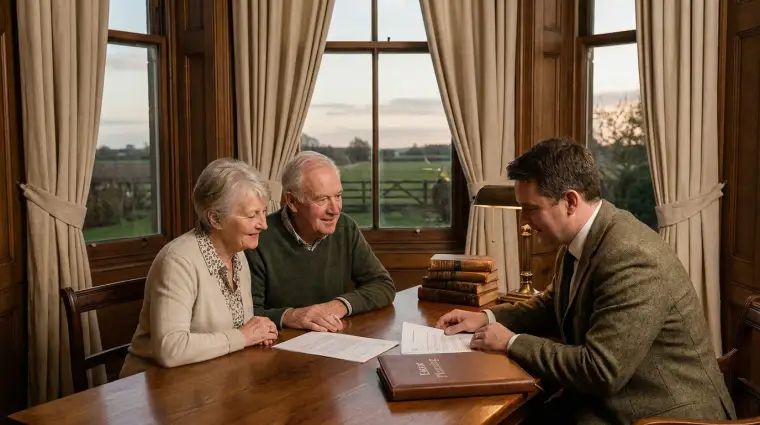
Probate is the legal process of managing and distributing a person’s estate after they pass away. It ensures that assets such as property, money, and possessions are collected, debts are paid, and any remaining inheritance is distributed to beneficiaries in line with the will or intestacy laws.
Our Hull-based probate solicitors provide clear, practical guidance at every stage, from determining whether probate is needed to handling the full estate administration on your behalf.
What Is Probate?
Probate is the official permission required to deal with someone’s estate after their death. The process confirms the will’s validity (if one exists) and grants authority to the executor or next of kin to manage the deceased’s affairs.
If there is a will, the executor applies for a Grant of Probate. If there is no will, a close family member applies for Letters of Administration instead.
When Do You Need Probate?
Not every estate requires a grant. You will usually need one when:
- The person who died owned property or land in their sole name, or as tenants in common with someone else.
- A bank, building society or other institution holds more than it will release without a grant. Each institution sets its own limit.
- There are shares, investments or insurance policies in the deceased’s sole name that cannot be sold or paid out without a grant.
Assets owned jointly as joint tenants, such as a jointly owned home or a joint bank account, usually pass to the surviving owner without a grant. We can confirm whether a grant is needed and make the application for you.

From our specialistWe give executors in Hull a clear answer early on whether probate is needed and what it involves, so nothing is held up while you wait.”
See our probate fees
Who Applies for Probate?
If there is a valid will, the executor named in it applies for the grant. If there is no will, the person entitled under the intestacy rules, usually the closest relative, can apply to become the administrator. In either case, we can prepare the paperwork and submit the application to HM Courts and Tribunals Service.
What Happens During the Probate Process?
- Identify and value assets: Gather details of property, savings, investments and debts.
- Report to HMRC and apply for the grant: Report the value of the estate for Inheritance Tax, pay any tax due, and apply for the grant.
- Collect assets and settle debts: Close accounts, sell or transfer property and pay outstanding liabilities.
- Distribute the estate: Prepare estate accounts and transfer the remaining assets to the beneficiaries under the will or the intestacy rules.
We can manage this process from start to finish and keep you informed at each stage.
Do You Always Need a Solicitor for Probate?
You can apply for probate yourself, but many executors instruct a solicitor to avoid errors and delays. Professional advice helps to ensure that the legal, tax and accounting requirements are met, and reduces the risk of disputes or penalties from HMRC.
Our Hull probate team can administer the whole estate or help with particular stages, depending on how much help you need.
Get Help Understanding Probate
If you are unsure whether a grant is needed, or would like help administering an estate, call our Hull office on 01482 228808. We will explain your options and the likely cost before any work begins.
More Hull/Probate services
Speak to a solicitor today
Call our Hull office on 01482 228808 for advice on whether a grant of probate is needed.
SRA regulated · Law Society CQS and WIQS accredited · LawNet member